
In corrosion protection, coating quality determines the durability of the structure. This is why coating inspection is carried out according to international standards such as ISO 12944, FROSIO, NACE / AMPP and ICorr. These standards organise technical requirements, quality assessment and the role of a coating inspector.
1. ISO 12944 – the basis for coating inspection
ISO 12944 defines corrosivity categories, coating-system requirements, minimum layer thicknesses and principles of quality control. It provides the technical foundation for determining which system should be used and how it should be assessed during the project.
2. FROSIO – coating inspector certification
FROSIO is a Norwegian certification scheme for coating inspectors, recognised in many industrial and infrastructure projects. Depending on experience, it includes Level I, Level II and Level III.
A FROSIO inspector should be able to assess every stage of the process: from surface preparation through application to final acceptance and reporting.
3. NACE / AMPP – a global standard
NACE, now AMPP, is one of the most recognised certification systems in the world, especially in offshore, petrochemical and energy projects. Common certification levels include CIP Level 1, CIP Level 2 and CIP Level 3.
4. ICorr and the role of good practice
ICorr is also important in the coating-inspection market. Certifications and standards do not replace practical experience, but they create a shared technical language between designer, contractor, investor and inspector.
5. Inspection equipment – what is needed?
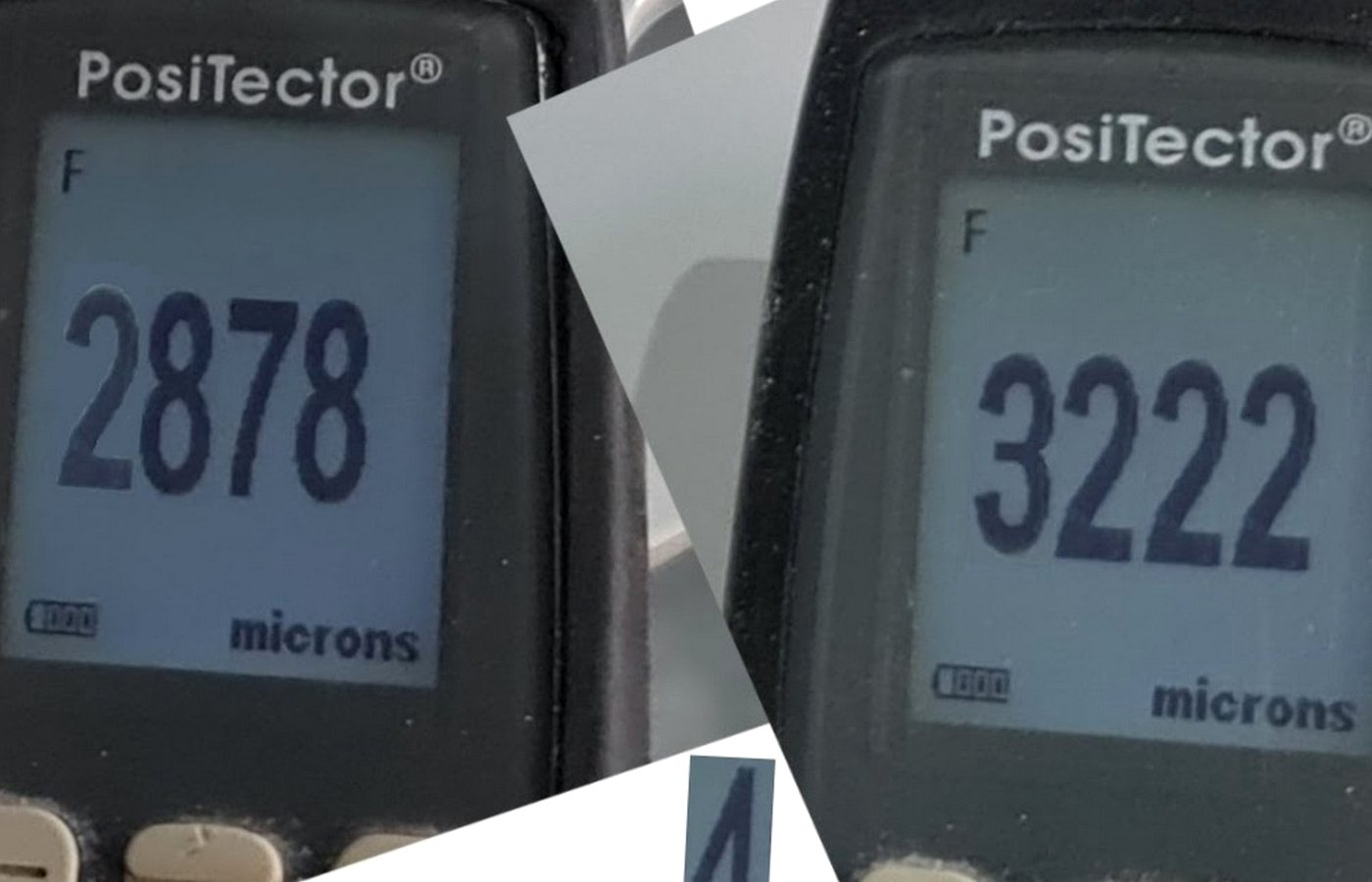
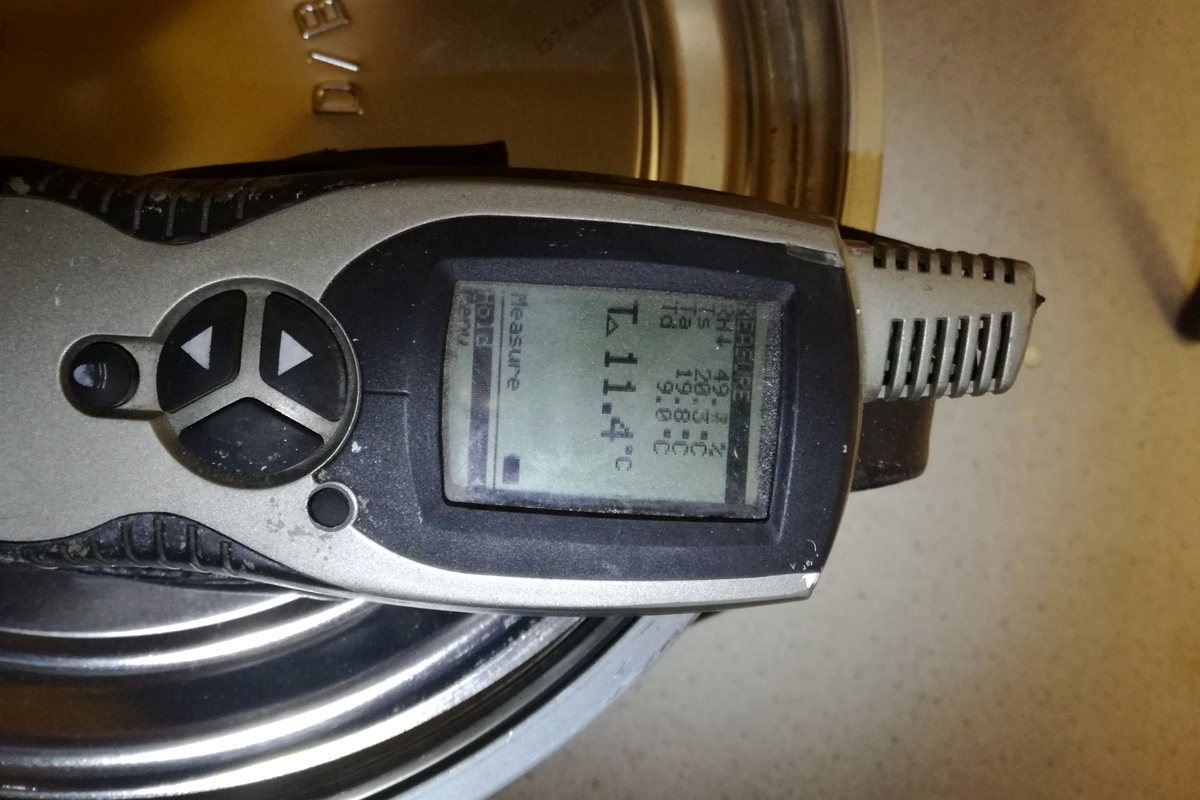
A coating inspector may use coating-thickness gauges, climatic meters, roughness comparators, adhesion testers, UV lamps and inspection cameras. Proper equipment allows control of climatic conditions, layer thickness, adhesion and workmanship quality.
6. Inspection documentation
Each measurement should be recorded in a report. Good inspection documentation includes measurement results, climatic conditions, deviations from requirements and recommendations for the contractor or investor.
Summary
ISO 12944, FROSIO, NACE / AMPP and ICorr help ensure that a coating has been executed according to recognised good practice. For investors, this means greater quality predictability; for contractors, clear acceptance criteria.