Coating system selection is not simply a matter of choosing a paint. It is a technical design process that combines the operating environment, expected durability, surface preparation and the method of quality control. In practice, these elements determine whether corrosion protection will remain effective for 10, 15 or even more than 25 years.
At PERITUS, coating system design is based on project requirements, technical documentation and the ISO 12944 standard, supported by practical experience in anti-corrosion and fire-protection coating systems for steel structures.
1. Structure and corrosive environment assessment
The first step is to define the environment in which the structure will operate. ISO 12944 defines corrosivity categories from C1 to CX. These categories help assess how strongly humidity, industrial contamination, chemicals or marine exposure will affect steel.
- C3 – industrial halls, warehouses and moderately polluted environments,
- C4 – chemical plants and coastal areas,
- C5 / CX – offshore areas, heavy industry, high humidity and aggressive environments.
Only after determining the environment can the coating system be properly designed for steel structures, tanks, production equipment or other components exposed to atmospheric or chemical impact.
2. Coating system selection under ISO 12944
The standard defines coating types and minimum dry film thicknesses needed to reach the expected durability. Typical durability ranges include 10 years (L), 15 years (M) and 25+ years (H).
In practice, the coating system should reflect not only the corrosivity category but also the application technology, acceptance requirements and the project budget. Common solutions include epoxy + polyurethane, zinc + epoxy + polyurethane, fire-protection + anti-corrosion systems and zinc-rich coating systems.
3. Surface preparation – the key to durability
Even the best coating system will not perform correctly if the substrate is not properly prepared. Surface preparation is therefore one of the most important stages of corrosion-protection technology. Typical preparation standards include Sa 2½, Sa 3 and St 3.
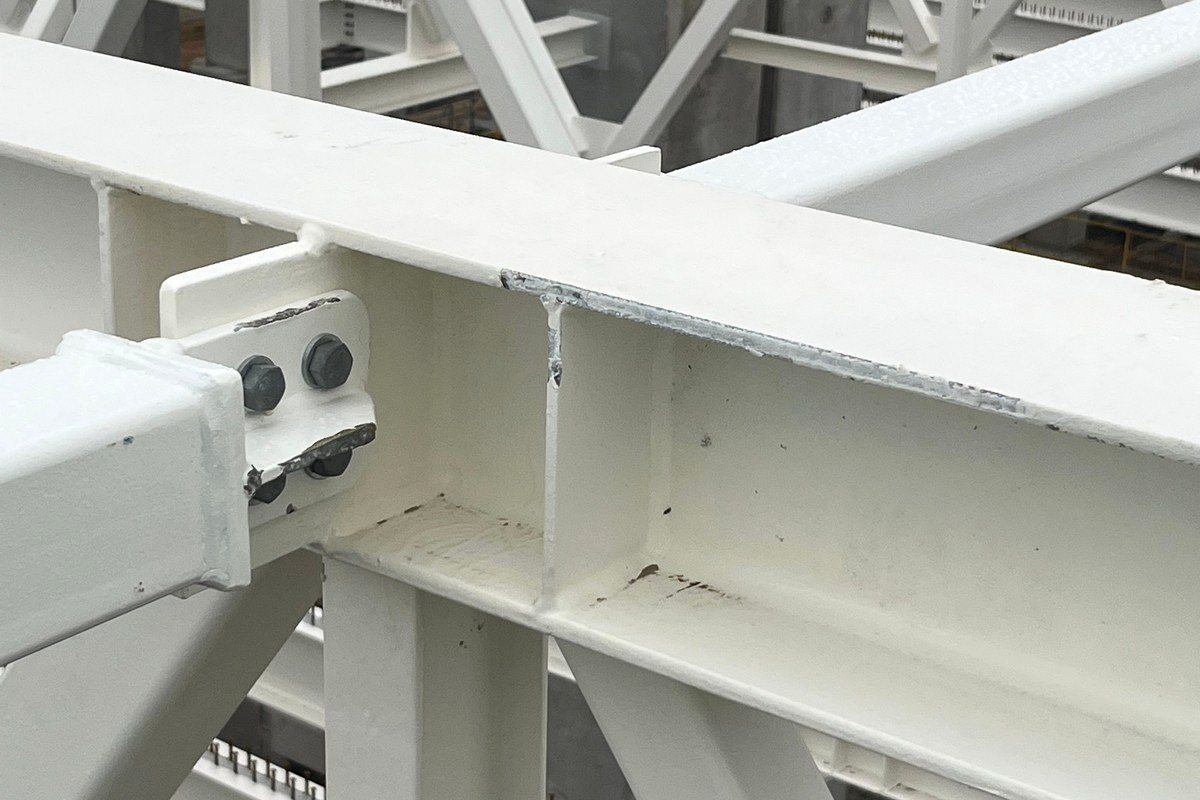
Cleanliness is not enough. Surface profile, edge condition, weld quality, details and dust removal also have a direct impact on coating durability.
4. Quality control and measurements
Each application stage should be controlled and documented. In practice this means measuring process parameters during surface preparation, coating application and final inspection.
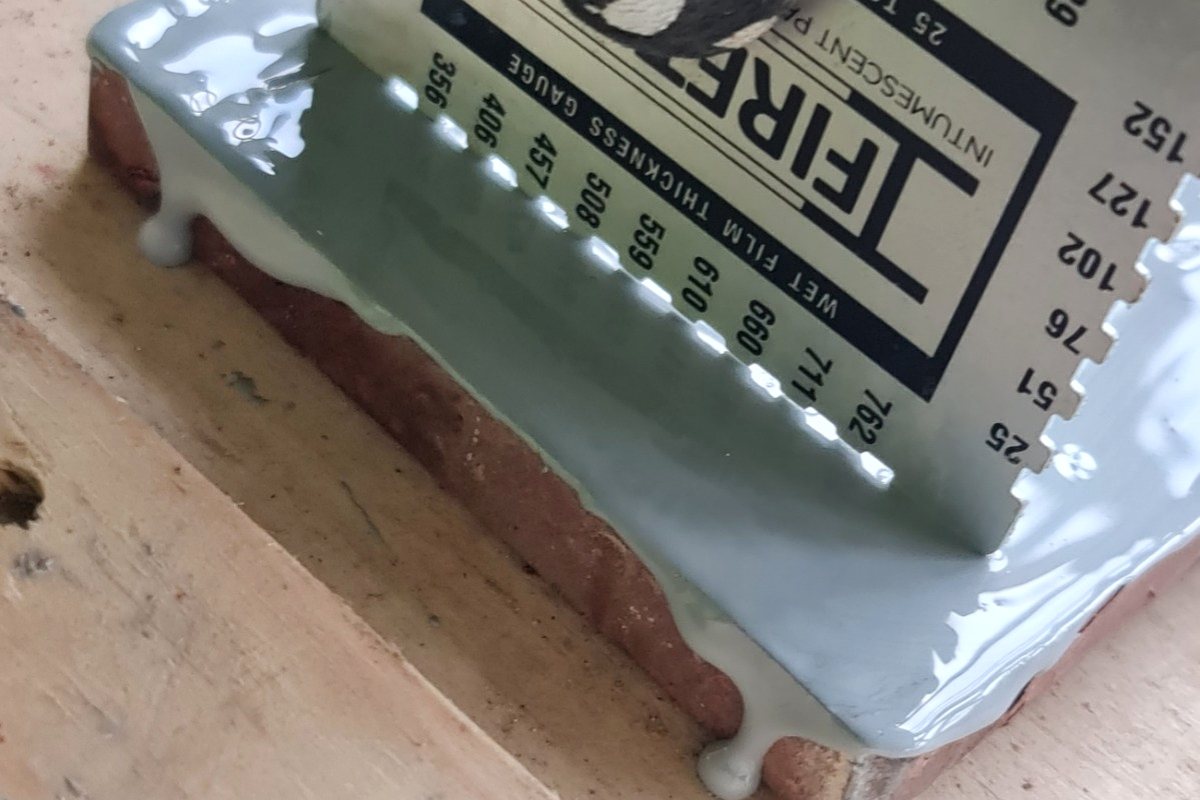
- wet film thickness (WFT),
- dry film thickness (DFT),
- climatic conditions,
- adhesion,
- coating continuity.
5. Specialist systems and MIL-SPEC requirements
In some projects, standard corrosion protection is not sufficient. This applies in particular to defence, aerospace, tactical and highly demanding industrial applications. In such cases, MIL-SPEC coating requirements may be relevant.
MIL-SPEC coating work involves advanced protective systems with precisely defined surface preparation, priming, layer application and coating-thickness control. Important references include TT-C-490, MIL-PRF-23377, MIL-PRF-85582, MIL-PRF-85285 and MIL-STD-171.
Summary
Coating system selection requires technical knowledge, experience and familiarity with standards. The key elements are correct corrosivity assessment, system design under ISO 12944, proper surface preparation and reliable quality control.